What is Nonylphenol and how it works in different areas like paints, coatings, Cleaners, cosmetics etc?
First of all, what is Nonylphenol?
English Name: Nonylphenol
CAS No.: 84852-15-3
Molecular Formula: C₁₅H₂₄O
Appearance: Liquid, transparent
Relative Density (Water = 1): 0.95
Boiling Point (°C): 290–305
Flash Point (°C): 141
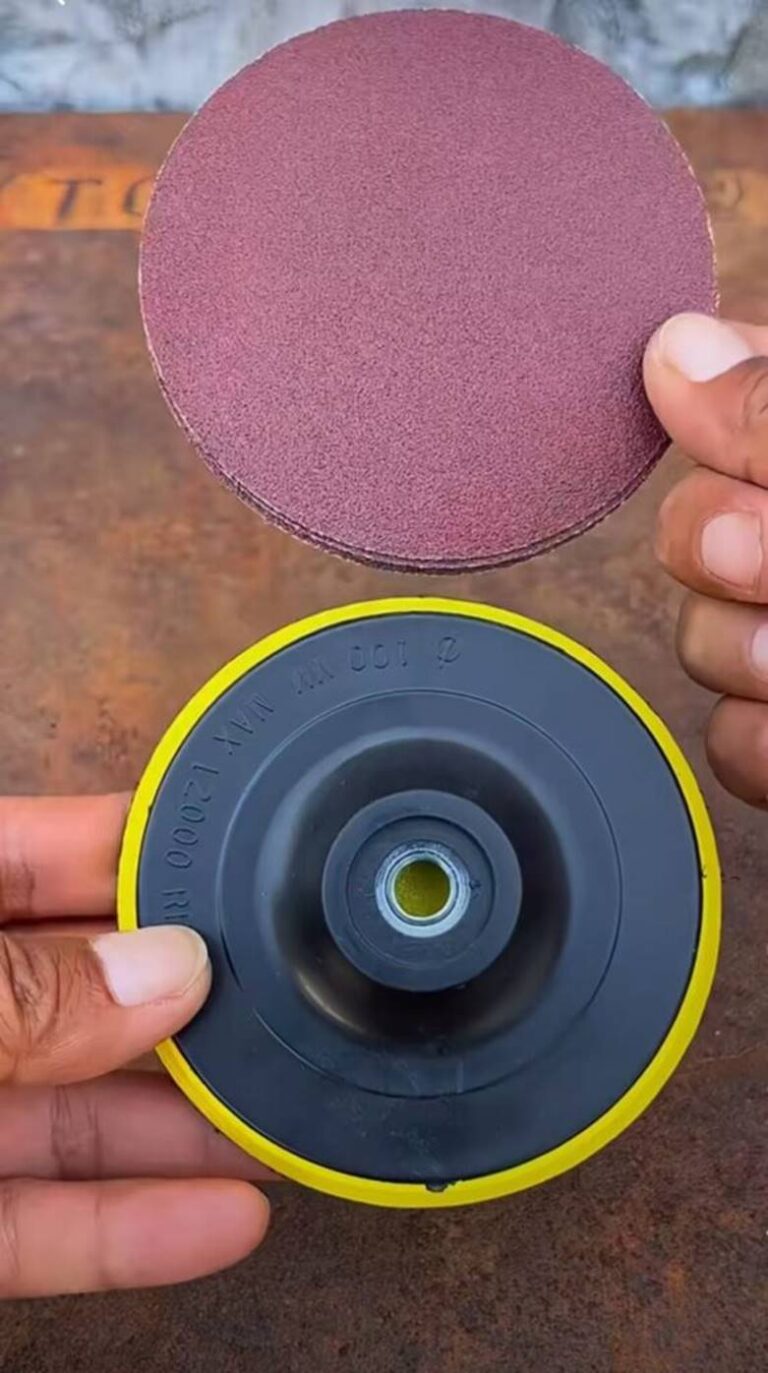
Nonylphenol Products are widely used in Oil-based coatings, Ink printing, Molding plastic, Casting materials, Refractory materials, Friction materials, Polishing abrasives, Agricultural additives, Tire rubber, Electrical and electronic materials, Alkyd foam, Thermal insulation materials, Wood adhesives, Composite materials, Paints and adhesives, Insulating laminate materials.
Applications of Nonylphenol in Paints and Coatings
Nonylphenol is primarily used in paints and coatings through its role in the manufacture of nonionic surfactants and resin modifications. Below are some of the main applications of nonylphenol in paints and coatings:
- As a Raw Material for Nonionic Surfactants
Nonylphenol is commonly used in the synthesis of nonionic surfactants in paints and coatings. Nonionic surfactants help improve the dispersion, leveling, and wettability of the coating, thereby enhancing the coating’s coverage ability and application performance. They also reduce foam in the coating and improve the uniformity of the film.
A more in-depth analyst about applications of Nonylphenol in Surfactants
Nonylphenol is primarily used in surfactants through its reaction with epoxides (such as ethylene oxide) to generate Nonylphenol Ethoxylates (NPE). These derivatives are used as nonionic surfactants in various industrial and household applications. Below are some of the main uses of nonylphenol in surfactants:
Ⅰ. Synthesis of Nonionic Surfactants
Nonylphenol ethoxylates (NPE) are nonionic surfactants produced by reacting nonylphenol with ethylene oxide. These surfactants have excellent properties such as degreasing, emulsifying, dispersing, wetting, lubricating, and foaming. They are commonly used in the following areas:
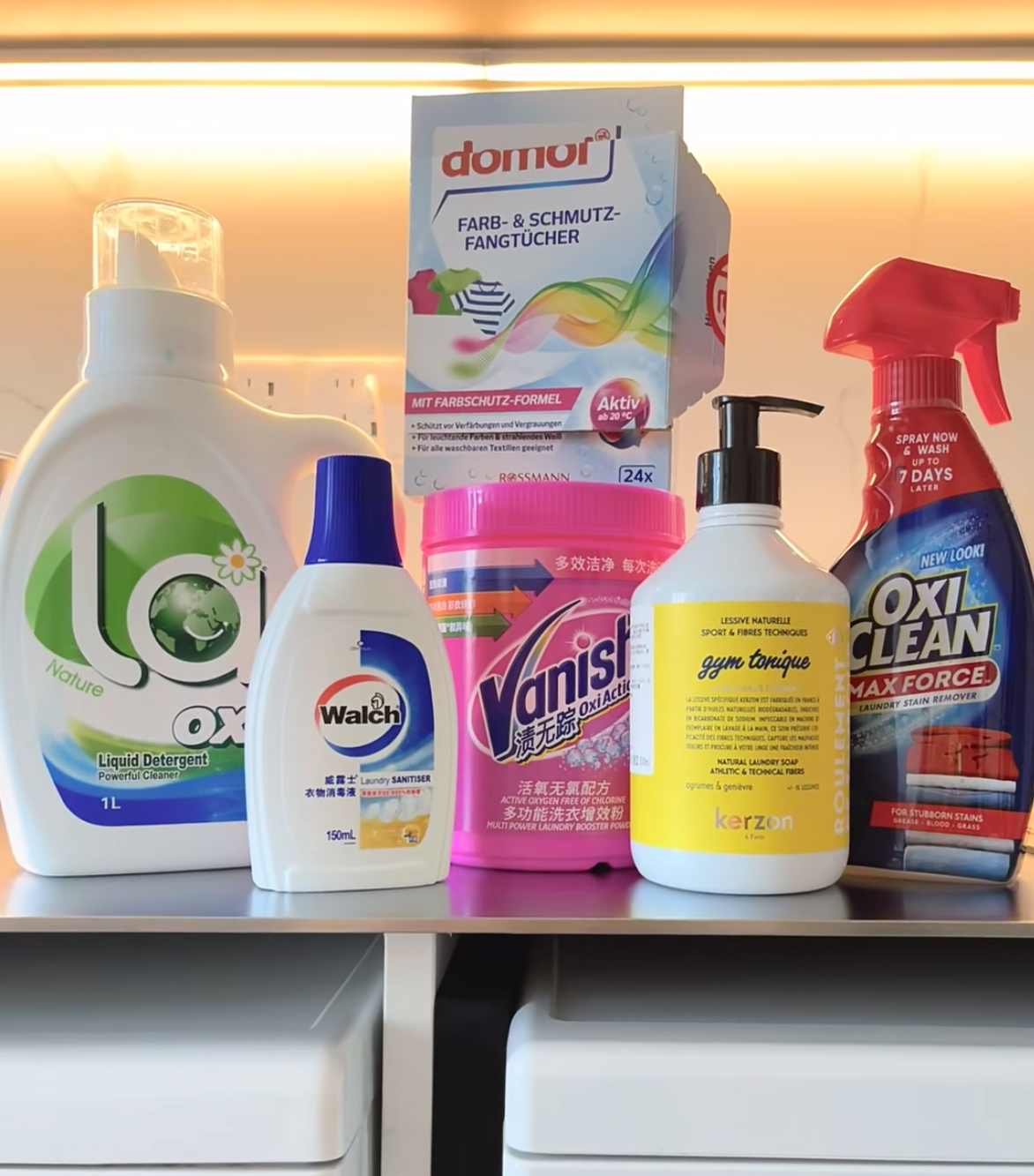
- Cleaners: Such as laundry powders, dishwashing liquids, and industrial cleaners. Nonylphenol ethoxylates help remove grease, dirt, and other contaminants.
- Emulsifiers: Used in cosmetics, food processing, and coatings industries to stabilize emulsions and improve product uniformity.
- Oilfield Chemicals: In water treatment, drilling fluids, and petroleum refining processes in oilfields, nonionic surfactants help emulsify oil-water mixtures and improve oil-water separation efficiency.
Ⅱ. Improving Wettability and Dispersion
In formulations such as paints, coatings, pesticides, and cosmetics, nonylphenol, as a surfactant, helps improve the wettability and dispersibility of coatings, pesticide solutions, and more. By reducing surface tension, nonylphenol allows liquids to better adhere to solid surfaces, enhancing their coverage ability and stability.
Ⅲ. As an Emulsifier
Nonylphenol and its derivatives are commonly used as emulsifiers in emulsion polymerization, paint coatings, and industrial product production. They help form stable emulsions between water and oil-based components, enhancing the performance of products in industries like paints, coatings, and cosmetics.
Ⅳ. Foam Reduction and Anti-foam Action
Derivatives of nonylphenol are used in foam control agents to reduce excessive foam in certain cleaning or industrial processes. They are highly effective in detergents, cleaners, and some chemical processes (such as emulsification, fermentation, etc.).
Ⅴ. For Textile and Leather Processing
Nonylphenol-derived nonionic surfactants play an important role in dyeing and finishing textiles and leather. They improve the solubility and stability of dyes and pigments, enhancing dyeing effects and improving uniformity in the dyeing process.
Ⅵ. As a Pesticide Synergist
Nonylphenol derivatives are used as synergists in agriculture, especially in pesticide formulations. They can enhance the permeability and persistence of pesticides, improve their effectiveness and reduce dosage.
Nonylphenol and its derivatives are widely used in nonionic surfactants, especially in the fields of cleaners, emulsifiers, coatings, textile processing, and pesticide enhancement. Their excellent surface activity and chemical stability make them indispensable components in many industrial and household products.
- As a Component in Resin Formulations
Nonylphenol is an essential raw material for producing phenolic resins and epoxy phenolic resins, which are widely used in paints and coatings. Phenolic resins offer excellent heat resistance, corrosion resistance, and strength, making them suitable for industrial coatings, such as anti-corrosion coatings and automotive paints. - Improving Coating Weather Resistance and Chemical Resistance
Derivatives of nonylphenol can enhance the aging resistance, high-temperature resistance, and UV resistance of coatings. This makes the coatings more durable in outdoor environments, making them suitable for applications such as building exterior wall coatings and ship coatings. - As a Catalyst and Crosslinking Agent
In certain resin formulations, nonylphenol and its derivatives can act as catalysts or crosslinking agents, helping the resin in coatings to cure more effectively. This improves the hardness, wear resistance, and solvent resistance of the coating. - Regulating Coating Viscosity
Due to its oil affinity, nonylphenol can be used in paints and coatings to help regulate the viscosity, improving the coating’s application properties. This, in turn, enhances construction efficiency and the quality of the coating layer.
In summary, nonylphenol plays a vital role in improving the physical properties and chemical stability of paints and coatings. It is widely applied in high-performance coatings and industrial coatings.